Outbound links get treated as an afterthought by a lot of content writers, something you add in the last five minutes before publishing to look thorough. That’s a mistake. External linking SEO isn’t about hitting a link quota, it’s a real signal search engines use to judge whether your content is well-researched or just filler, and it’s one of the easier wins in an SEO strategy because it costs nothing but attention.
As a leading SEO Agency in Dubai, Boost Hive Marketing breaks down what external linking actually is, why external linking SEO matters more than most people assume, and how to do it without undermining your own content in the process.
What Is External Linking?
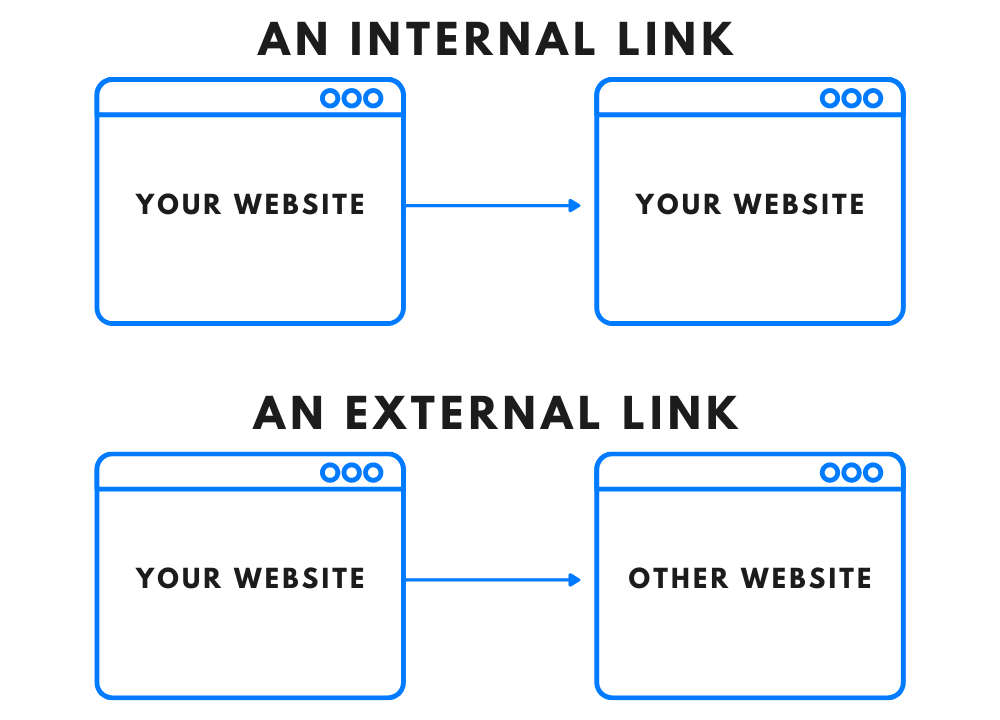
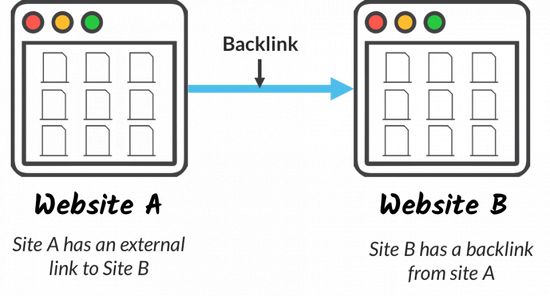
External linking means placing a hyperlink on your page that points to a different domain, a source, a study, a tool, anything that lives outside your own site. When you cite a statistic, reference a report, or point readers toward something genuinely useful that you don’t own, that’s an external link.
It’s easy to confuse with internal linking, but the two do different jobs. Internal links connect pages within your own site and help distribute authority across it. External linking SEO works differently: it tells search engines your content is grounded in real, verifiable sources rather than assertions pulled from nowhere.
Why External Linking Actually Matters
It builds credibility, not just for search engines, but for readers. Citing authoritative sources tells someone reading your content that you did the work, not that you’re guessing. This matters more than ever in a market as competitive as Dubai’s, where a lot of content looks interchangeable.
It supports E-E-A-T signals search engines actually weigh. Google treats outbound links as a contextual signal, not a direct ranking factor on its own, but as a piece of evidence that your content demonstrates real expertise and trustworthiness — as outlined in Google’s own guidance on creating helpful, people-first content. Content that cites nothing reads as thinner than content that shows its work.
It improves the actual reading experience. A well-placed external link gives someone a path to go deeper on something you mentioned but didn’t fully unpack. That’s a genuine service to the reader, not just an SEO tactic dressed up as one.
How to Do External Linking Right
Choose Relevant, Authoritative Sources
Link to sites that are genuinely useful to your reader, not just impressive-sounding ones. Original research, government data, established publications, and recognized experts in your field all carry more weight than a generic blog post covering the same ground. As an SEO agency in Dubai, we look for sources that are directly relevant to the claim being made, not tangentially related.
Use Descriptive Anchor Text
The clickable text should tell both the reader and the search engine what they’ll find on the other end. “Click here” tells no one anything. “UAE internet penetration data” does. Descriptive anchor text is one of the simplest, most overlooked wins in external linking SEO.
Know When to Use Nofollow
Not every external link needs to pass authority to its destination, and not every link should. Editorial links to sources you trust and would genuinely recommend can stay as standard links. Sponsored content, paid placements, or sources you’re citing without fully vouching for should carry a nofollow or sponsored attribute. This isn’t just a technicality, it’s about being transparent regarding which links are a genuine endorsement and which aren’t.
Don’t Overdo Your External Linking SEO
There’s no fixed formula, but a rough guideline worth keeping in mind: more than five to seven external links per 1,000 words starts to look excessive and can dilute the reader’s focus rather than support it. Every link should earn its place by adding something the content genuinely needs.
Link to Fresh, Live Content
A source that was accurate two years ago might be outdated or dead today. Outdated statistics undercut your own credibility just as much as a broken link does. Check that anything you’re linking to is current and still active before you publish, and don’t let it sit unchecked afterward.
Open External Links in a New Tab
This is a small technical detail that matters more than it sounds. Letting readers explore an external source without losing their place on your page keeps them engaged with your content rather than bouncing away entirely.
Monitor Your Links Over Time
Links that were valid at publication can rot. Broken external links hurt both user experience and how search engines evaluate your page’s quality. A periodic audit, checking that your links still resolve and still point to relevant, live pages, should be a standing part of your content maintenance, not a one-time task.
Encourage Reciprocal Value, Not Reciprocal Links
Linking out to quality sources occasionally leads to those sites noticing and linking back, but that shouldn’t be the goal driving the decision. Genuine, editorial external linking that serves the reader is what search engines and real audiences both respond to. Manipulative link exchanges or reciprocal linking schemes built purely to game rankings tend to backfire.
Common FAQs About External Linking
Q: How many external links should I include in my content?
A: There’s no fixed number in external linking SEO, but aim for a few high-quality links that add value to your content without overwhelming the reader.
Q: Will external linking hurt my SEO?
A: Not if done correctly! Linking to authoritative sites can enhance your credibility and improve your SEO.
Q: Can I link to competitors?
A: While it’s generally better to link to non-competing, authoritative sources, linking to competitors can sometimes be beneficial if it adds value to your audience.
Conclusion
External linking is a powerful tool in your SEO services in Dubai arsenal. By following best practices, you can enhance your site’s credibility, improve user experience, and boost your overall SEO efforts.
At Boost Hive Marketing, we specialize in helping businesses navigate the complexities of external linking SEO. As a top SEO Agency in Dubai, we provide tailored strategies to improve your online presence and drive growth. Contact us today to learn how we can elevate your digital marketing efforts and implement effective external linking strategies!
Also Read: Do Dubai SEO Agencies Offer Google My Business Optimization?