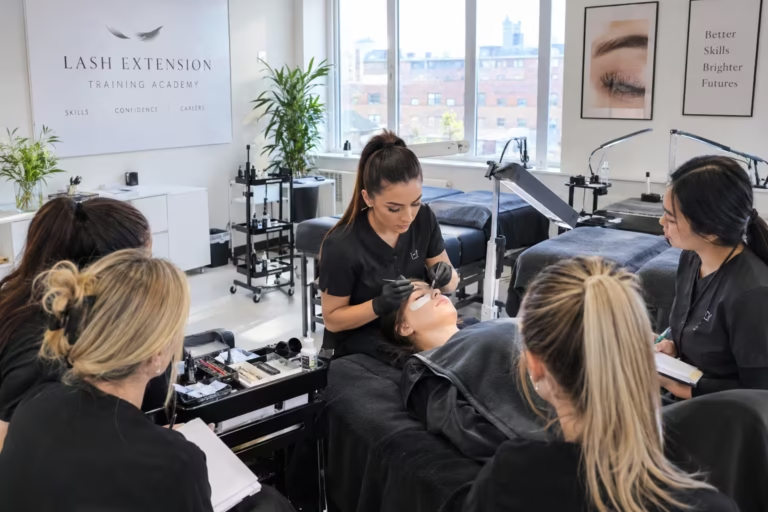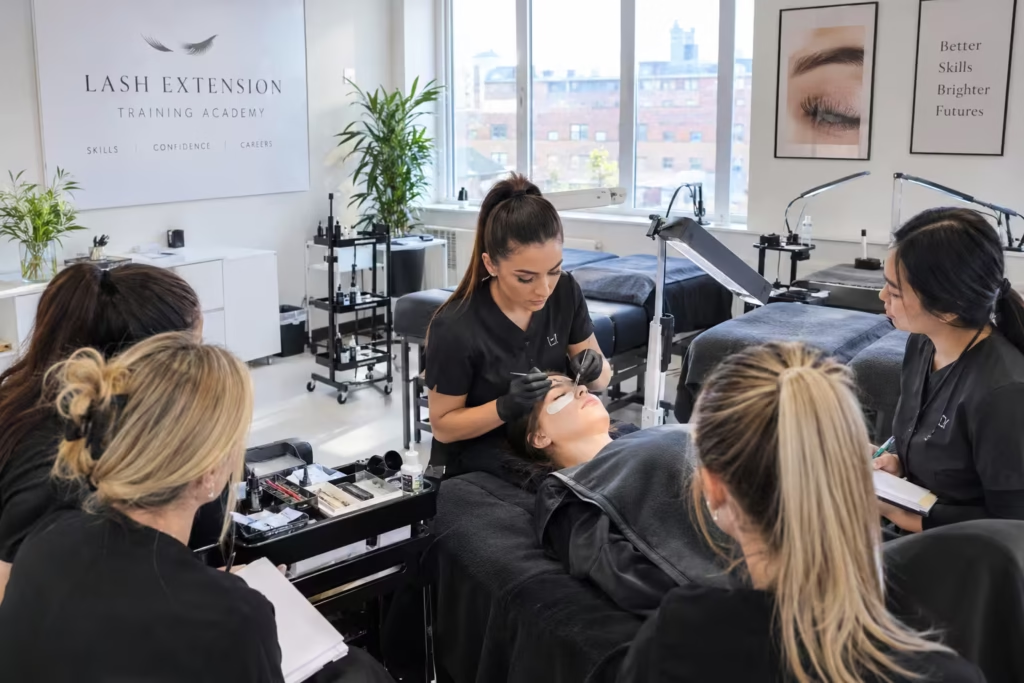
Three years ago, a fully qualified lash technician in Bristol was turning away students every single month. She had the skills, the client base, and the reputation, but no idea how to legally teach others what she knew. It took her the better part of a year to untangle which qualifications she needed, which accreditation body to sign up with, and whether her spare treatment room even counted as a legitimate training space.
Her story isn’t unusual. Plenty of talented beauty professionals want to move into education but get stuck at the very first hurdle: nobody explains how to start a beauty training academy UK businesses actually need to follow. This guide walks through the entire process, from qualifications and accreditation to premises rules and marketing, so there’s no guesswork left.
Why Beauty Educators Are in Demand
The beauty industry has grown steadily, and with that growth comes a constant need for new, well-trained therapists. Salons want staff who arrive job-ready, and career-changers want a fast route into a stable, hands-on profession. Training academies sit right in the middle of that demand, which makes this one of the more resilient business models within the wider beauty sector.
Step 1: Get Qualified to Teach, Not Just to Do
This is the part most people underestimate. Being brilliant at a treatment does not automatically qualify anyone to teach it.
- Hold a recognised qualification in every treatment you plan to teach. Most accreditation bodies expect at least a year of hands-on experience, often around 100 completed treatments, before you’re considered ready to train others.
- Complete a teaching qualification. The Level 3 Award in Education and Training (AET), formerly known as PTLLS, is the standard entry point. It covers lesson planning, delivery, and assessing learners, and typically takes around 120 hours to complete.
- Decide between an Ofqual-regulated or accredited teaching route. An Ofqual qualification lets you teach in wider education settings and deliver Ofqual-regulated courses. An accredited (non-Ofqual) route is often simpler and better suited to those planning a private academy from the outset.
Anyone genuinely researching how to start a beauty training academy UK wide should treat this step as non-negotiable. Insurers and accreditation bodies will ask for proof of both your treatment qualifications and your teaching credentials before approving anything.
Step 2: Choose an Accreditation Body
Once your teaching qualification is sorted, your courses need accrediting so they carry real weight and so your graduates can get insured. Well-known UK accreditation and awarding bodies include:
| Accreditation Body | Known For |
| BABTAC | Long-established, often bundled with trainer insurance |
| ABT | Common choice for private academies |
| CIBTAC | International recognition |
| The Guild of Beauty Therapists | Wide UK network and support |
| CPD | Straightforward certification for shorter courses |
| VTCT / TQUK | NVQ-style regulated qualifications |
Each body has its own fees, criteria, and renewal process, so it’s worth comparing a shortlist rather than signing up with the first name that comes up. Your lesson plans and course manuals will need to meet their specific standards before approval.
Step 3: Understand Premises and Licensing Rules
This is where a lot of new academy owners get caught out, because requirements vary by local council rather than following one national rulebook.
- Check whether your premises need a special treatment licence. In London particularly, treatments like facials, manicures, and massage can fall under this category due to hygiene and equipment involved.
- Confirm zoning and planning permission. Beauty premises typically fall under Class E commercial use, so this needs verifying before signing any lease.
- Meet health and safety standards. This includes fire safety, sanitation, accessible facilities, and in some cases, a council inspection before your licence is granted.
- Budget for registration fees, which can range from roughly £75 to over £1,000 depending on the council and the risk level of treatments taught on-site.
Anyone still working out how to start a beauty training academy UK councils will actually approve should contact their local authority directly, since byelaws differ significantly even between neighbouring boroughs.
Step 4: Sort Out Insurance
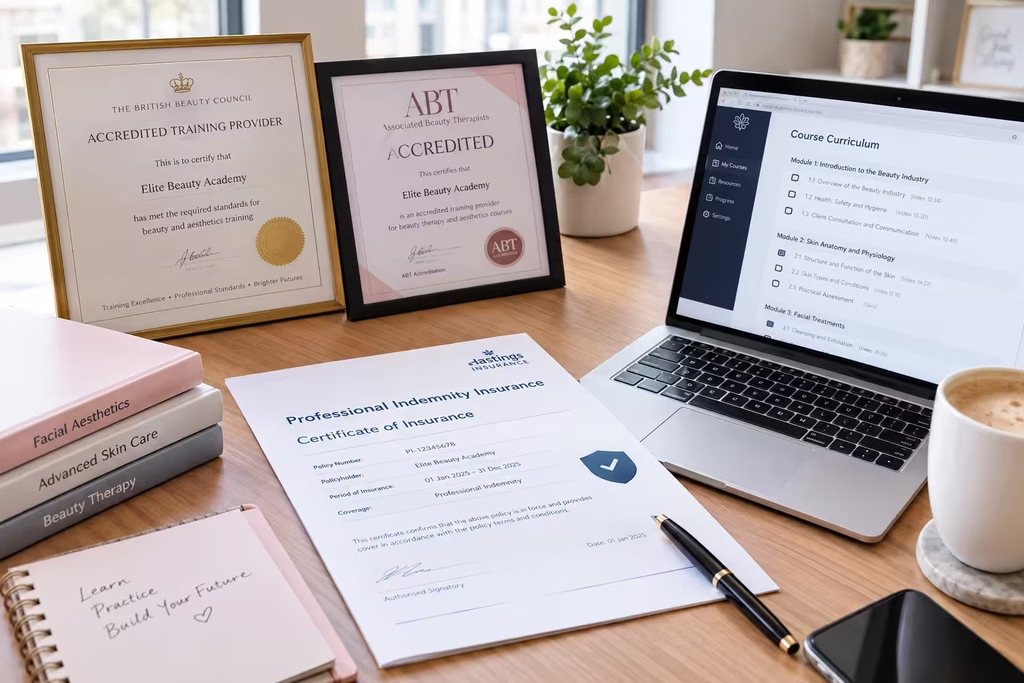
No accreditation body or council will sign off on an academy without proper cover in place. At minimum, this usually means:
- Public liability insurance, often expected at £2 million to £5 million depending on the treatments taught
- Professional indemnity insurance for both you and your trainee practitioners
- Educators insurance that specifically covers a teaching extension, not just standard treatment cover
Skipping this step, or assuming a general business policy will do, is one of the fastest ways to invalidate an academy before it even opens its doors.
Step 5: Build Your Course Structure
A strong academy needs more than a qualified trainer standing in a room. Each course should include:
- A detailed lesson plan and student manual for every treatment offered
- A theory component covering contraindications, hygiene, and health and safety
- Practical assessment on live models
- Case studies with before-and-after evidence, often required by accreditation bodies before certificates are issued
Students increasingly research thoroughly before committing to a course, so a well-documented curriculum also becomes a strong selling point when marketing your academy online.
Step 6: Register the Business and Get Visible
Once the qualifications, accreditation, and premises are sorted, the final piece is registering as a legitimate business with HMRC and setting up basic branding, a website, and social channels. Academies that treat their online presence as an afterthought tend to struggle to fill course places, regardless of how good the training actually is.
Anyone who has worked through the accreditation maze, the council paperwork, and the insurance requirements involved in how to start a beauty training academy UK wide will know the biggest challenge often shifts from compliance to visibility once the doors are open. Getting found by prospective students matters just as much as getting approved by an accreditation body.
Ready to launch your beauty training academy the right way? Get in touch with Boost Hive Marketing for a strategy built around attracting students and building your academy’s reputation from day one.
FAQs
1. Do I need a teaching qualification to start a beauty training academy?
Yes. A treatment qualification alone isn’t enough. You’ll need a recognised teaching qualification, typically the Level 3 Award in Education and Training.
2. How long does it take to become a qualified beauty trainer?
The Level 3 AET usually takes around 120 hours, though total timelines vary depending on how quickly accreditation and premises approval come through afterwards.
3. Which accreditation body is best for a new academy?
There isn’t a single best option. BABTAC, ABT, and CIBTAC are all widely recognised, so it’s worth comparing fees and criteria before choosing.
4. Do I need a special licence to run beauty courses from home?
Often, yes, particularly if treatments involve heat, chemicals, or skin piercing. Local councils vary, so checking directly is essential.
5. How much does it cost to open a beauty training academy in the UK?
Costs vary widely based on premises, accreditation fees, and insurance, but budgeting for qualifications, licensing, and cover from the outset avoids nasty surprises later.
6. Can I teach a treatment I’m not personally qualified in?
No. Accreditation bodies require proof of qualification and hands-on experience in every treatment taught.
7. What insurance does a beauty academy need?
Public liability, professional indemnity, and specific educators insurance with a teaching extension are all typically required.
8. Is Ofqual accreditation necessary for a private academy?
Not always. Many private academies operate successfully with non-Ofqual accreditation, though Ofqual status allows broader recognition.
9. How do I attract students to a new training academy?
A clear online presence, strong course pages, and visibility in local search results matter just as much as the quality of training itself.
10. Where can I find detailed guidance on how to start a beauty training academy UK councils will approve?
Local council websites list specific licensing requirements, while accreditation bodies like BABTAC or ABT can guide you through course approval and insurance needs.
Also Read: How to Market a Beauty Training Academy in the UK